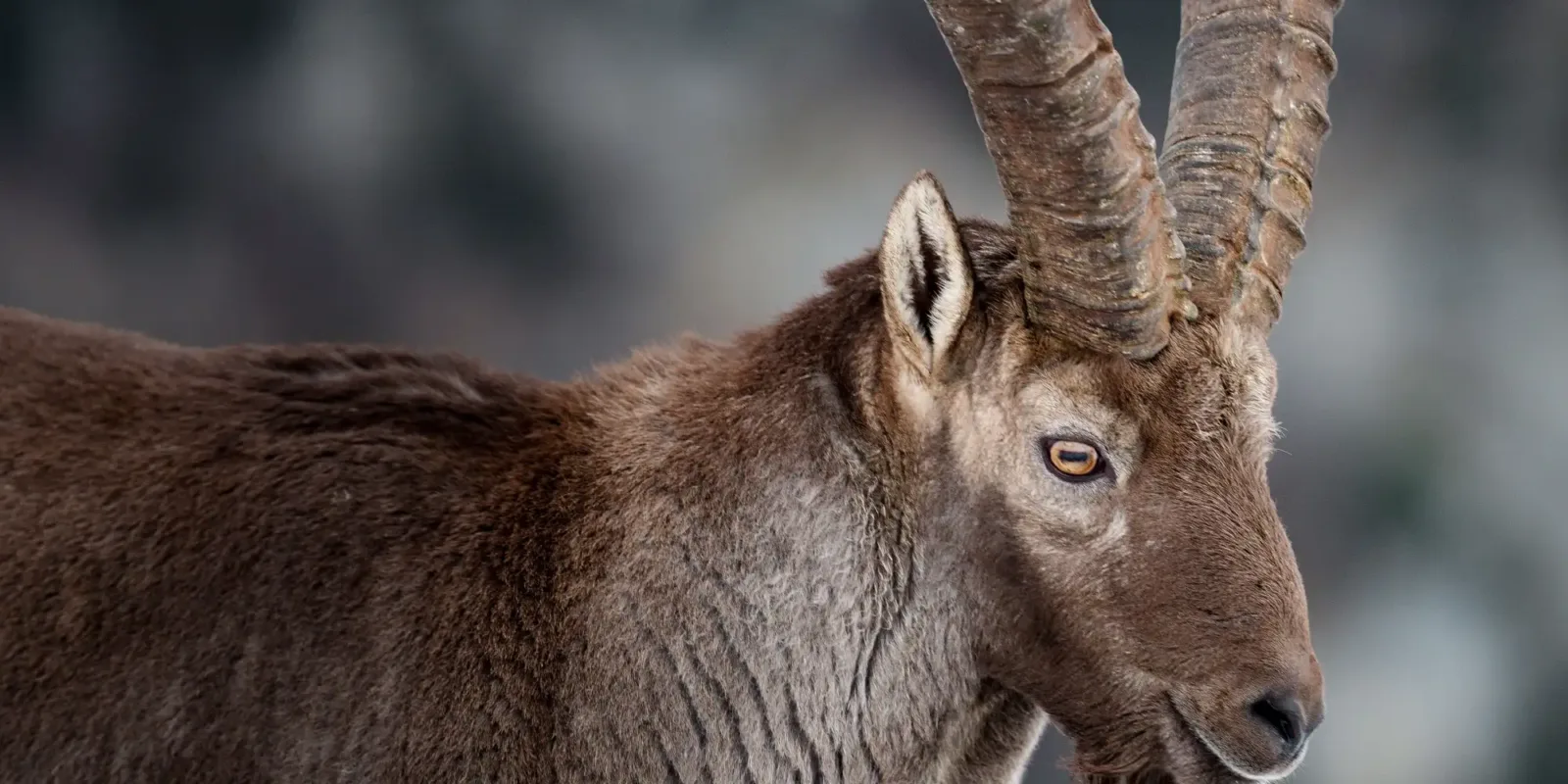
The chamois are mountain animals that live in the Alps and the Pyrenees. During the winter, they have to face very low temperatures and abundant snow. To adapt to these difficult conditions, the chamois have developed several strategies.
The first means of survival for the elk during the winter is their thick and abundant fur. Their coat is particularly dense on the back and legs, which protects them from the snow and cold. They also have an impressive mane that protects them from the wind and cold.
In addition to their fur, the bouquetins have a special diet during the winter. They mainly feed on the leaves of certain shrubs and lichens, which are available all year round. They can also eat branches and tree bark, as well as grasses and plants.
The buds and energy in winter
Beavers also have a large reserve of fat under their skin, which they use as a source of energy when they do not find enough food. This fat allows them to survive periods of food shortages, which can be frequent during the winter.
To protect themselves from the cold, the bumblebees often seek refuge in forests or caves. They are also capable of digging tunnels in the snow to protect themselves from the wind and cold.
Despite all these adaptations, the survival of the beavers during the winter remains difficult. Mortality is particularly high among young and old individuals, who have less resistance to harsh climatic conditions.
In summary, the life of the beavers during the winter is far from easy. Thanks to their thick fur, their special diet, and their fat reserves, they manage to survive the freezing temperatures and the abundant snow.