1. Each Snowflake is Unique
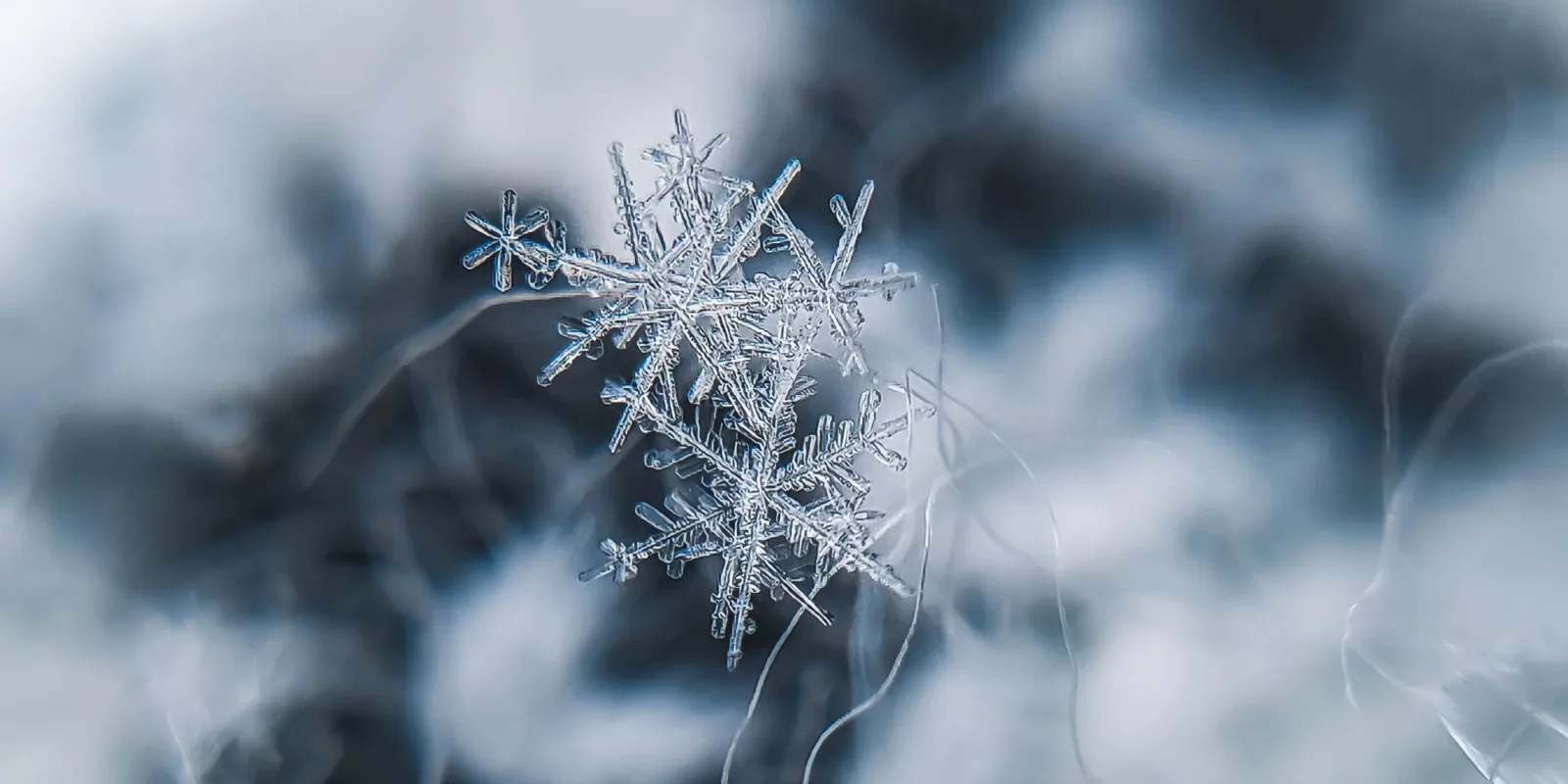
Snowflakes are crystalline wonders. They form in clouds when water droplets freeze around particles suspended in the air. The diversity of snowflake shapes is infinite. Each crystal is influenced by factors such as temperature and humidity. Thus, it is said that there are no two identical snowflakes. Each is a unique work of natural art. Researchers have discovered more than 35 forms of snowflake crystals. These range from star-shaped flakes to platelets and columns.
2. The Snow is Transparent
Although snow appears white, it is actually transparent. The white color we perceive is the result of the scattering of sunlight through the ice crystals. Fresh snow tends to reflect more light. While older snow may appear grayer due to accumulated impurities. When the snow melts, the resulting liquid water is clear like crystal. That is why fresh snow appears so brilliant when sunlight passes through it.
3. Epic Snowstorms
The meteorological history is full of impressive snowstorms. In 1921, in the state of Washington in the United States, a historic snowstorm left a memorable mark with nearly 30 meters of snow falling in a single season! This phenomenal amount of snow had extraordinary consequences for the region, demonstrating the power of nature.
4. The Formation of Snowflakes
The formation of snowflakes is a complex process influenced by a multitude of variables. Temperature, humidity, and air saturation play a crucial role in the creation of these unique crystalline structures.
For example, star-shaped flakes form under conditions of temperatures close to zero degrees Celsius, while dendrites form at colder temperatures and with lower relative humidity.
5. The Snow, a Natural Insulator
Despite its apparent freshness, snow is an excellent thermal insulator. Its porous structure traps air, thus forming an effective barrier against heat loss. Animals such as foxes and raccoons exploit this property by digging burrows under the snow to protect themselves from the rigors of winter. This insulating property is also exploited by local populations in the Arctic regions to build igloos, providing protection against extreme temperatures. The igloos, constructed from compacted snow blocks, provide remarkable thermal insulation. Inside, the temperature can be up to 10 degrees Celsius higher than outside.
6. The Strange Phenomenon of the Snowstorm
Snowstorms can sometimes be accompanied by lightning and thunder, creating a rare phenomenon known as the «snow thunder». This intriguing phenomenon is caused by the friction of ice particles within storm clouds, generating electric charges and luminous discharges.
7. Artificial Snow
In many ski resorts, artificial snow is produced to complement natural snow and ensure optimal skiing conditions. This snow is manufactured by spraying pressurized water into snow cannons, creating small ice crystals that settle on the ground.
8. The Snow Avalanches
Avalanches are a natural hazard in the mountains, resulting from the breaking and rapid descent of unstable layers of snow. The speed and force of these avalanches can be impressive, endangering everything in their path. The snow can travel at incredible speeds, sometimes up to 130 km/h! Vigilance and risk awareness are essential to navigate safely in snowy terrain.
9. The Snow Records
Some places in the world are famous for their impressive snow records. Aomori in Japan holds the title with an annual average of over 7 meters of snow! These impressive amounts of snow transform the landscape and the daily lives of the inhabitants of these regions, requiring infrastructure and practices adapted to these extreme conditions.
10. Snow in Culture
Snow has inspired many cultures around the world, infusing art, literature, and music with its poetic presence.
In some regions, snow is celebrated through traditional festivals, while in others it is associated with tales and legends passed down from generation to generation.
Every year, the city of Sapporo on the island of Hokkaido in Japan hosts the famous Snow Festival. For a week in February, the festival attracts millions of visitors from all over the world to admire the incredible snow and ice sculptures that adorn Odori Park and other sites in the city. Artists from all over the world compete to create monumental works depicting famous figures, historical monuments, and spectacular landscapes.
This deep connection between snow and culture attests to its universal and timeless impact on human imagination.
In conclusion
Snow is much more than just a meteorological phenomenon. It embodies the beauty, purity, and magic of winter, inviting us to marvel at its infinite mysteries. Whether we engage in winter sports, explore snowy landscapes, or simply contemplate its splendor from the window, snow continues to captivate our imagination and remind us of the grandeur of nature.
See the article «10 mountain plants to know»