How to choose your ski jacket?
Choosing a ski jacket It’s not just a matter of style. In the mountains, your jacket must first and foremost protect you from the cold, wind and moisture. It must also effectively wick away sweat during exercise.
However, not all skiers have the same needs. A quiet day on the slopes does not necessarily require the same equipment as a freeride outing or an intensive session.
So, How to choose your ski jacket ? Waterproofness, breathability, insulation, hood, ventilation or even a snow skirt: these are the main criteria to consider before your purchase.
Choose your jacket according to your skiing style
Before comparing the technical specifications, start by defining your practice. In fact, your playing surface directly influences the choice of your equipment.
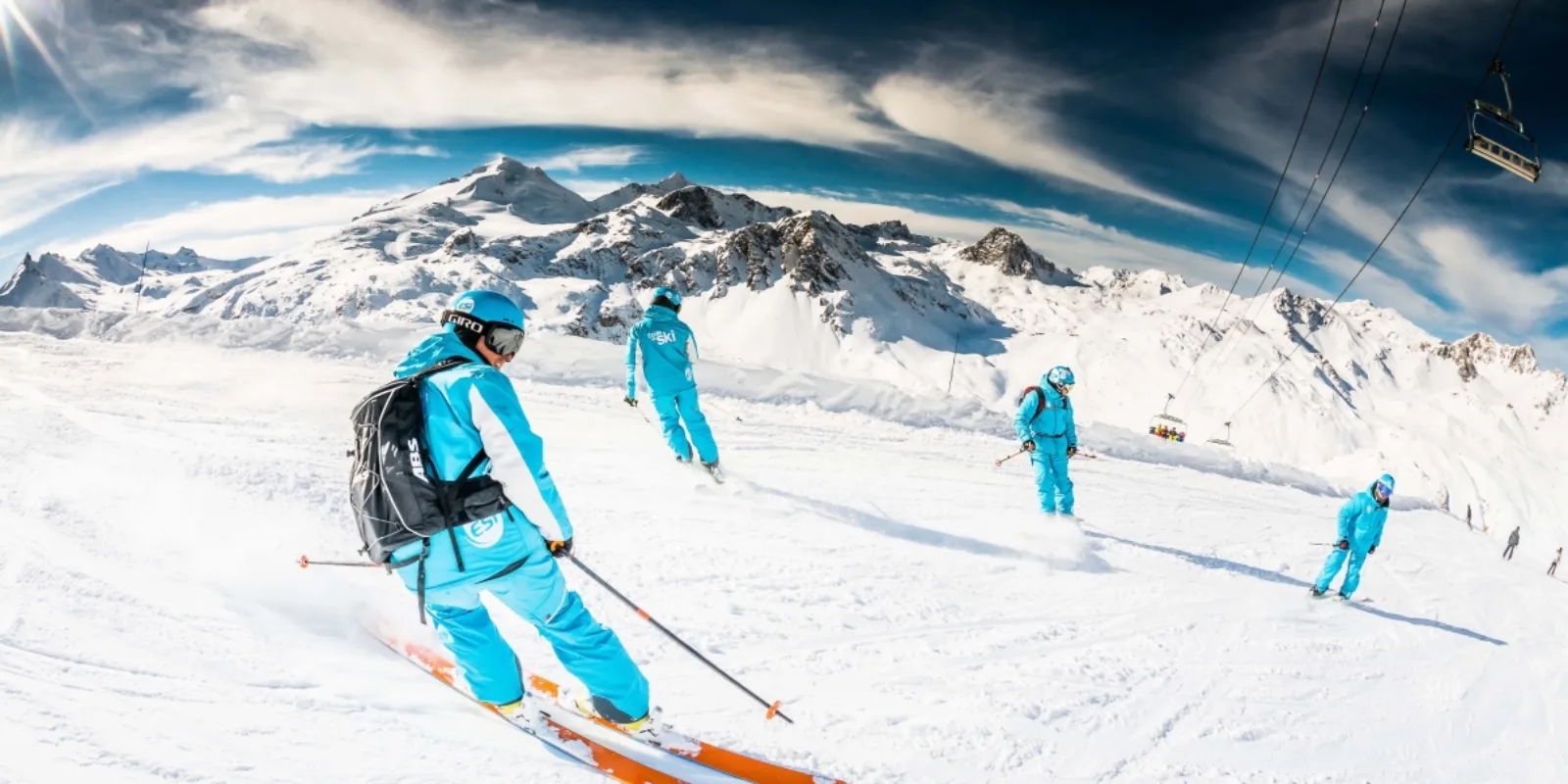
Do you primarily ski on the slopes of the ski resort? A versatile, warm, and waterproof jacket will generally suit your needs.
On the other hand, freeride enthusiasts often seek excellent protection against the elements. Good breathability also becomes important as the effort increases.
Finally, freestyle enthusiasts often prioritize freedom of movement and ventilation. Thus, The best ski jacket remains first and foremost the one that suits your practice..
Take into account your level and the intensity of your effort
Your level is another interesting criterion, but the intensity of your activity is even more important.
A beginner often alternates periods of effort, stops, and lifts. He/she will therefore appreciate a comfortable jacket that effectively protects against cold and moisture.
Conversely, a competitive skier generally produces more heat during exercise. He will then need to pay particular attention to his diet. breathability of his ski jacket and to ventilation systems.
Therefore, avoid automatically choosing the warmest jacket. Your clothing system should primarily allow you to adapt your protection to the conditions and your activity.
Isolation: Should I choose a warm ski jacket?
Heat is obviously an important factor. However, a highly insulating jacket is not always the best choice.
For skiers sensitive to cold or those who primarily practice on the slopes, a Insulating ski jacket Provides comfort and protection during winter days. This insulation can use synthetic fibers or down.
However, active practitioners may prefer a less insulating jacket. They then adapt their outfit using the three-layer principle: a breathable first layer, an insulating intermediate layer, and a protective outer jacket.
This solution offers greater versatility. You can add or remove a layer depending on the temperature, wind, and intensity of your activity.
Which waterproofness should I choose for a ski jacket?
Snow, wind and sometimes rain quickly put the clothes to the test. Waterproofing is therefore one of the main criteria for choosing a ski jacket.
Manufacturers generally express this water resistance in millimeters of water column. Values of 5,000, 10,000, 15,000 or 20,000 mm are often encountered, or even more.
A high value indicates that the fabric is resistant to greater water pressure. However, the figure displayed is not enough to assess the full protection of the jacket.
The seams, closures, the overall design of the garment, and its maintenance also play an essential role.
For regular skiing and varying winter conditions, 10,000 mm often constitutes a good starting point. Practitioners seeking enhanced protection can move up to higher levels.
Do not neglect breathability
A good jacket should prevent external moisture from penetrating. However, it must also allow the vapor produced by your body to escape.
When you ski, your body produces heat. If your jacket is not able to evacuate this moisture properly, your clothes may get wet. You may then quickly feel the cold as the intensity of the effort decreases.
Thus, impermeability and breathability must work together.
Sports skiers, freeriders and hiking enthusiasts will place particular importance on this criterion. In addition, ventilation openings allow the temperature to be regulated quickly.
A hood compatible with the helmet
The hood provides additional protection when the wind picks up or when heavy snow falls.
Before purchasing, check, in particular, its compatibility with your helmet. hoods wide enough to cover a ski helmet can improve comfort during difficult days.
Furthermore, the adjustment systems allow the hood to be kept in place more securely and to limit the entry of air.
The snow guard skirt to limit the entry of snow
The snow-plough skirt Forms a barrier around the waist. This limits the entry of snow under the jacket during a fall or during a session in the powder.
This feature brings real comfort to skiers and snowboarders. It becomes particularly interesting for freeriding, but is also useful on the slopes.
Some manufacturers even offer removable skirts. You can then adapt your vest to the conditions and your use.
Practical and easily accessible pockets
On the slopes, the pockets allow you to keep several accessories within easy reach. Whether it’s a phone, glasses or a snack: smart organization makes the day go by quickly.
A pocket dedicated to the pass on the sleeve allows, for example, to easily pass through the gates of the ski lifts.
Furthermore, check the accessibility of the various pockets with gloves. This small detail can make a big difference when temperatures drop.
Check the seams, closures, and vents
Even with an excellent fabric, water can penetrate into sensitive areas. The seams and closures therefore deserve special attention.
Des Sealed seams They strengthen protection against moisture. Similarly, some closures use a water-repellent construction or additional protection against the elements.
Next, look for ventilation zippers, often located under the arms. They allow you to quickly evacuate excess heat without taking off your jacket.
This feature becomes particularly appreciated in spring or during sports days.
RECCO: a complementary technology for search
Some ski jackets include a RECCO reflector. Emergency services equipped with a compatible detector can use this technology to help locate a person.
However, a RECCO reflector It does not replace the DVA, the shovel and the probe When a descent requires avalanche rescue equipment. It also does not replace the necessary training to use it.
For freeride and off-piste skiers, RECCO must therefore be considered as a complementary device. Preparing the route, analysing the conditions, and mastering safety equipment remain essential.
How to choose a durable ski jacket?
Finally, price or brand alone does not guarantee the performance of a jacket. It is better to compare the technical specifications with your actual needs.
Check the quality of the materials, the strength of the seams and closures, as well as the repair options. Moreover, a versatile jacket that you’ll use for several seasons often represents a more sensible choice than a model selected solely for its aesthetics.
Also consider the care instructions. Following the manufacturer’s recommendations helps to preserve the garment’s technical properties for longer, especially its water repellency and breathability.
Which ski jacket should I choose in the end?
For Choosing the right ski jacket, So start with your practice, your level of activity, and the conditions in which you ski most often.
Next, compare the waterproofing, breathability, and insulation. Also check the practical details such as the hood, the snow skirt, the vents, and the pockets.
Finally, opt for a comfortable jacket that leaves you with enough freedom to ski. A good jacket should be easy to forget on the slopes while protecting you when conditions deteriorate.
By choosing a model that suits your practice rather than just the trends, you can fully enjoy your days in the mountains, from the first lift up to the après-ski.